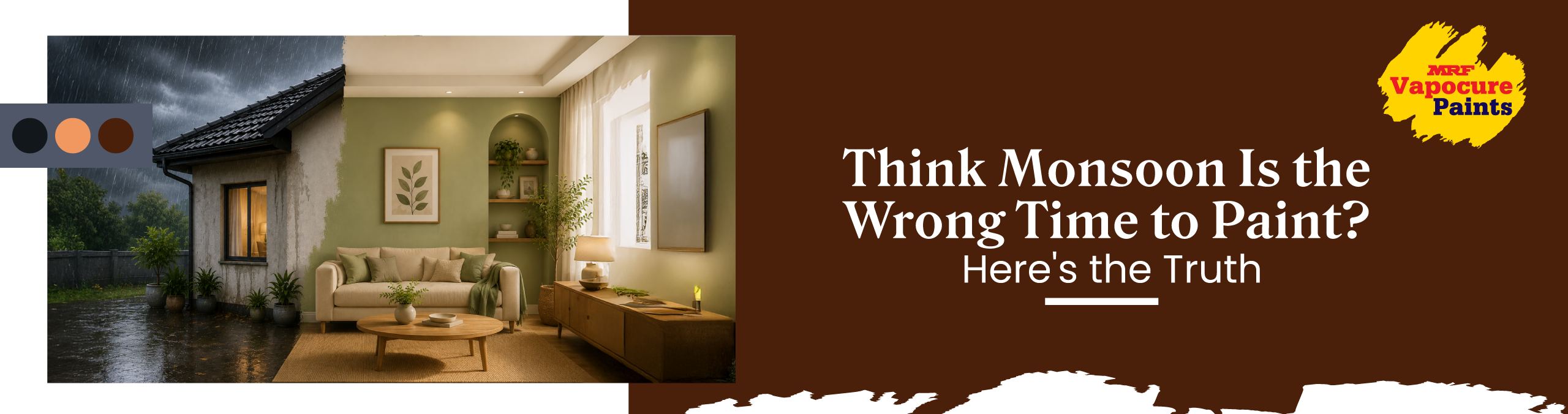
Think Monsoon Is the Wrong Time to Paint? Here’s the Truth
Most people assume painting during monsoon always ends badly. Damp walls, slow drying, and patchy finishes. Some of that belief comes from real experience with the wrong product on the wrong surface. Much of it comes from habit rather than fact. Understanding what actually happens to paint during humid, wet conditions helps homeowners make a more informed choice about timing and product selection.
Summary
Has a painter ever told you to wait until after the rains? Have you postponed a repainting job because someone said the paint would never dry properly? This belief is common across Indian households, and it is not entirely wrong, but it is not the full picture either. The southwest monsoon brings close to 80 percent of India’s total annual rainfall between June and September, and relative humidity in many regions climbs past 70 percent during these months. That single number explains most of the caution around this season and also most of the confusion. This blog looks at what actually causes monsoon painting to fail, what modern coating systems change about that equation, and when repainting during the rainy months can genuinely work.
How Did This Belief Even Start?
Ask around, and most people will tell you the same story. A relative repainted their house right before the rains, the walls turned patchy within weeks, and the lesson stuck. Generation after generation, that memory gets passed down as a rule.
There is truth buried in it. Older paint formulations struggled badly with moisture. Applied on a damp wall, an ordinary emulsion would trap water beneath the surface. The result was bubbling, a chalky texture, or paint that simply refused to bind to the wall. So the caution was earned.
But paint technology has moved a long way since then, and treating an old lesson as a permanent rule is what causes the confusion.
What Actually Damages Paint During Wet Weather
Most of the painting problems people associate with the monsoon are actually caused by excess moisture and poor surface preparation rather than the rain itself. Painting over damp walls can trap moisture beneath the paint, leading to peeling, blistering or flaking over time. High humidity also slows the drying and curing process, while poor ventilation keeps surfaces damp for longer and can encourage mould to grow. Applying paint on a surface that is still wet after rainfall or skipping a suitable primer can further reduce the paint’s ability to adhere properly. These issues are not exclusive to the rainy season. They can occur at any time of the year if the surface is not prepared properly, although monsoon conditions make them more likely, as walls and painted surfaces take longer to dry.
If your exterior walls are already showing signs of dampness or water seepage, it’s worth understanding how waterproofing systems protect the surface before repainting. Read our guide on Waterproofing Paint for Exterior Walls to learn more.
The Real Reason This Myth Sticks Around
Many homeowners avoid repainting during the monsoon because they have long been told it is not the right season. Over time, this advice has become a common belief that is rarely questioned. In many cases, painting projects are also scheduled around weather forecasts, as frequent rainfall can make planning and execution more challenging. While this is a practical consideration for ensuring smooth project timelines, it is often mistaken for a limitation of the paint itself. With the right products, proper surface preparation and suitable weather conditions, successful painting during the monsoon is still possible.
So What Actually Changes If You Choose the Right System?
Paints designed for exterior use and humid conditions generally perform better than basic emulsions when applied correctly. They offer improved resistance to moisture, better adhesion and greater durability, helping the paint film withstand changing weather conditions. However, proper surface preparation is still essential for the best results.
For homeowners planning exterior painting during the monsoon, MRF Paints offers products suited to different needs. AquaFresh DampGarde Primer is designed for damp-prone walls, helping create a well-prepared surface before the top coat is applied. AquaFresh PU Exterior provides enhanced weather resistance, making it suitable for exterior walls that are regularly exposed to rain and humidity. Altura Acrylic Emulsion is a water-based exterior paint that offers a practical and durable finish for everyday painting requirements.
Even with the right products, good painting practices remain important. Painting during heavy rain or on a wet surface should still be avoided. Choosing the right weather window, preparing the surface properly and using suitable products together help deliver a longer-lasting finish, even during the monsoon.
Preparation Still Comes First
Even the strongest exterior paint system depends on the surface beneath it, and this is where most painting issues begin. That does not mean you have to wait until the monsoon is over. It simply means taking a few practical precautions before starting, just as you would during any other season.
Before beginning a monsoon repainting project, check the walls for signs of dampness instead of assuming they are dry. Repair any cracks or damaged areas to prevent water from seeping in later, and choose a primer that is suitable for the condition of the surface. It is also a good idea to check the short-term weather forecast and plan the work during a dry spell rather than when rain is expected. Finally, allow enough drying time between coats, as high humidity can slow the drying and curing process.
These are sensible painting practices, not monsoon-specific rules. With proper planning, suitable weather conditions and the right products, there is no need to postpone an exterior painting project simply because it is the rainy season.
Quick Check
Ask yourself these before deciding to repaint this season
- Has the wall been checked for existing dampness
- Are there cracks that need repair first
- Is a damp-resistant primer part of the plan
- Does the weather forecast show a reasonable dry window
- Has drying time been factored into the schedule
If most answers are yes, there is little reason to keep waiting for a different season.
When Waiting Actually Makes Sense
There are situations in which postponing the job is genuinely the better call. Continuous heavy rainfall with no dry stretch in sight, a wall that is already soaked through, or a surface with active leakage that needs fixing first. In these cases, the issue is the underlying condition of the wall, not the calendar month.
Complete Coating Solutions for Every Season
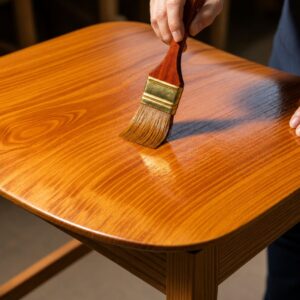
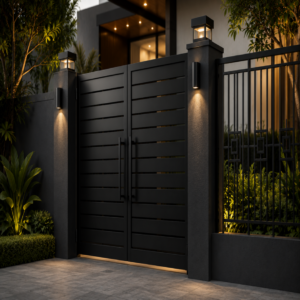
At MRF Vapocure Paints, we believe every season should be a painting season when the right products and practices are in place. Our range is designed to help homeowners and professionals paint with confidence across changing weather conditions, including the monsoon. From interior wall paints that bring lasting beauty indoors to exterior wall paints built to withstand rain, humidity and sunlight, we offer solutions for every surface. Our portfolio also includes metal coatings that help protect against corrosion and weathering, as well as wood coatings that enhance and preserve the natural character of wooden surfaces. With products developed for durability, protection and everyday performance, MRF Vapocure Paints provides complete coating solutions for homes and buildings throughout the year.
Summing Up
The idea that monsoon and painting simply do not mix is only partly true. Old paint systems struggled with moisture, and that struggle created a rule that stuck around long after the products improved. Today, the outcome depends far more on surface preparation and product choice than on the month printed on the calendar.
Check the wall properly. Choose a system built for humidity. Plan around the weather rather than against it. Do that, and repainting during the rainy season stops being a gamble and starts being a reasonable, well-planned decision.
FAQs
Can exterior walls actually be painted during monsoon?
Yes, provided the surface is properly checked for moisture and a suitable primer and top coat system is used.
Does paint take longer to dry during humid weather?
It can, since higher humidity slows down the curing process between coats. Planning extra drying time helps avoid problems.
What causes paint to bubble or peel after monsoon repainting?
Usually trapped moisture beneath the surface or a product not suited to damp conditions, rather than the rain itself.
Is a primer necessary before painting during the rainy season?
Yes. A damp-resistant primer like AquaFresh DampGarde Primer helps create a stable base before the top coat goes on.
Should painting be avoided during continuous heavy rainfall?
Yes. A short dry stretch is still needed for proper application and curing, even with a stronger coating system.
Can interior walls be repainted during monsoon?
Yes, particularly if the room has decent ventilation and the wall itself is not already damp from seepage.
What should be checked before starting a monsoon repainting project?
Existing dampness, cracks that need repair, the weather forecast, and the drying schedule between coats.
Does a stronger exterior paint system remove the risk entirely?
It reduces the risk significantly, but proper surface preparation still plays a major role in the final outcome.
Why do people still believe painting during the monsoon always fails?
Older paint formulations genuinely struggled with humidity, and that experience became a lasting assumption that has not kept up with newer products.
What is the biggest factor in a successful monsoon repainting job?
Surface preparation, paired with a product built to handle humidity, matters more than the season itself.