Brown Colour Guide: How to Make Brown Colour + Best Brown Colour Combinations & Schemes
Brown is everywhere. On your wooden doors. On your grandmother’s almirah. Most importantly, how come we forget the chai or coffee you sip every morning? Yet somehow, when it comes to wall paint, most people skip right past it. They go for whites, creams, maybe a pastel blue.
And brown?
Here’s the thing. Brown is one of the most versatile colours you can bring into your home. It works with traditional settings. It works with modern interiors. It suits a cosy bedroom just as well as a bold living room accent wall. The trick is knowing how to use it.
This blog is for Indian homeowners who want to explore brown. We’ll cover how to make brown colour from scratch, the best brown colour combinations, and room-by-room schemes that actually work. By the end, you’ll look at brown very differently.
Let’s get into it.
Why Brown Works So Well for Indian Homes
Walk into any Indian home, and you’ll find wood. Doors, window frames, beds, dining tables, and TV units. Wood is everywhere. And what colour is wood? Brown.
This is why brown walls feel so natural in our homes. They don’t wash out or clash with what’s already there. They blend in, add warmth, and tie everything together.
But that’s not the only reason brown works here.
- Indian lighting loves brown. Our homes get plenty of warm, golden sunlight. Brown soaks this up beautifully. Under natural light, brown walls glow. They feel alive. Compare this to stark whites that can look harsh under the afternoon sun, and you’ll see why brown makes sense.
- Brown hides what others can’t. Let’s be honest. Dust, fingerprints, scuff marks. They show up on light walls within weeks. Brown? It forgives. It keeps looking fresh longer, which means less stress and fewer touch-ups.
- It suits every climate. Living in a hot city? Light browns keep things cool and airy. In a colder region? Dark browns add that snug, wrapped-up feeling. Brown adapts to your environment without any extra effort.
How to Make Brown Colour
Ever wondered what colours actually make brown? It’s simpler than you think.
Brown isn’t a primary colour. You won’t find it on a basic colour wheel. But you can create it by mixing other colours together. Here’s how.
The Primary Mix
Take equal parts of red, yellow, and blue. Mix them together. What you get is a basic, neutral brown. This is your starting point.
Want it warmer? Add a little more red or yellow. Want it cooler? Add a touch more blue. Want it lighter? Mix in some white. Want it darker? Add a tiny bit of black.
The Quick Shortcut
If you have orange and black, mix them. You’ll get a rich brown in seconds. This works because orange already contains red and yellow. Adding black deepens the tone and brings out the brown.
Using Complementary Colours
Complementary colours sit opposite each other on the colour wheel. When mixed, they create browns.
Red and green together make brown. Yellow and purple together make brown. Blue and orange together make brown.
Each combination gives you a slightly different shade. Red and green lean warmer. Blue and orange lean cooler. Experiment and see what feels right for your space.
Types of Brown Shades You Should Know
Brown isn’t just one colour. It’s a whole family of shades, each with its own personality.
Light Browns
These are your beiges, tans, sand tones, camels, and lattes. They feel soft, airy, and open. Perfect for smaller rooms or spaces that don’t get much natural light. Light browns make a room feel bigger without losing warmth.
Medium Browns
Think walnut, mocha, coffee, and cinnamon. These are the crowd favourites. Rich enough to make a statement but balanced enough to feel comfortable. Medium browns work in almost any room and pair well with most furniture.
Dark Browns
Espresso, chocolate, mahogany, chestnut. These are bold, dramatic, and unapologetically rich. Dark browns add depth and sophistication. They work best in larger rooms or as accent walls. Use them when you want the walls to do the talking.
Pro tip. Smaller room? Go lighter. Larger room? You can afford to go darker. But always test your shade in the actual room before committing. Lighting changes everything.
One Colour, Many Moods
Here’s what makes brown truly special. It doesn’t lock you into one style. Depending on how you use it, brown can create completely different moods.
Heritage and Traditional
Deep walnut or mahogany walls paired with carved wooden furniture and gold accents. Add brass lamps and rich fabrics. This is the classic Indian aesthetic. Think old bungalows, ancestral homes, that regal warmth passed down through generations.
Chic and Modern
Light taupe or greige on the walls. Sleek furniture with clean lines. Minimal decor. A few statement pieces. This look is polished, sophisticated, and effortlessly stylish. Brown here feels fresh, not dated.
Classy and Luxurious
Chocolate brown walls with cream upholstery. Velvet textures. Brass or gold lighting fixtures. Plush rugs. This is hotel lobby elegance brought into your living room. It feels expensive without trying too hard.
Boho and Earthy
Warm tan walls. Terracotta pots. Jute rugs. Lots of indoor plants. Woven baskets. Macramé hangings. This vibe is relaxed, grounded, and close to nature. Brown anchors everything and lets the textures shine.
Industrial and Raw
Ash brown or grey brown walls. Exposed brick. Metal fixtures. Concrete floors. Edison bulbs. This style is edgy, urban, and full of character. Brown here adds warmth to an otherwise cold palette and makes the space livable.
Same colour, but completely different feels. That’s the magic of brown.
Best Brown Colour Combinations for Indian Homes
Brown plays well with others. Here are combinations that work beautifully in Indian settings.
Brown and White
Clean, minimal, and always in style. White keeps things fresh while brown adds warmth. Use white for ceilings, trims, and larger furniture pieces. Let brown take the walls. This combo works in every room.
Brown and Cream or Beige
This is the safe, cosy choice. Warm tones all around. Nothing jarring. Everything flows. Perfect for bedrooms and living rooms where you want to feel relaxed the moment you walk in.
Brown and Mustard or Gold
Festive. Royal. Perfect for spaces where you entertain guests. The warmth of mustard lifts brown and gives it energy. Add some brass accents and the room feels celebration ready all year round.
Brown and Teal or Blue
Bold and contemporary. Teal or navy against brown creates a striking contrast. The cool blue tones balance the warmth of brown. This combination works brilliantly for accent walls and statement spaces.
Brown and Terracotta or Orange
Earthy and grounded. Both colours come from the same family, so they naturally complement each other. Think clay pots, sunset tones, and that rustic village charm. Perfect for verandas, balconies, or nature inspired interiors.
Brown and Olive Green
Calm and refreshing. Green brings life. Brown keeps things stable. Together, they create a balanced, nature-inspired palette. Add some indoor plants, and the room feels like a quiet retreat.
Brown and Grey
Sophisticated and urban. Grey adds a modern edge to brown’s warmth. This combo suits contemporary apartments and minimalist homes. Use lighter greys with medium browns for the best results.
Brown and Pink or Blush
Soft and playful. This works surprisingly well, especially in bedrooms. Blush pink tones down the heaviness of brown and adds a gentle, romantic touch. Keep the pink subtle and let brown take the lead.
Brown Colour Schemes Room by Room
Different rooms have different needs. Here’s how to use brown effectively in each space.
Living Room
This is where you entertain, relax, and spend most of your waking hours at home. Brown sets the right tone here.
The best shades to consider are mocha, walnut, and coffee brown. Pair them with cream or beige sofas. Add brass accents, a wooden coffee table, and some indoor plants. The room will feel warm and inviting without being heavy.
If you’re hesitant to go all brown, start with one accent wall. Paint the wall behind your TV or sofa in a rich brown shade and keep the rest neutral. It makes a statement without overwhelming the space.
Looking for more inspiration? Check out our guide on 10 Stunning Living Room Colour Combinations to explore beyond brown.
Bedroom
Your bedroom should feel restful. Brown naturally promotes relaxation, making it a great choice here.
Light tan, caramel, and soft beige work best for bedrooms. These shades are calming without being boring. Pair with white bed linens, warm lighting, and wooden furniture. The effect is cosy and sleep-inducing in the best way.
For a bolder look, go with a chocolate brown accent wall behind the bed. Balance it with lighter curtains and neutral flooring.
Kitchen
Kitchens need to feel clean and functional, but that doesn’t mean they have to be cold.
Warm brown cabinets paired with white or cream countertops create a balanced look. The brown adds warmth while the lighter tones keep things bright. This combination is practical too. Brown cabinets hide stains and wear better than white ones.
If your cabinets are already a different colour, consider brown for the backsplash or a feature wall in the dining area connected to your kitchen.
Pooja Room
This is a sacred space. Colours here should feel pure, calm, and grounding.
Earthy brown shades work beautifully in pooja rooms. Pair with off-white or gold accents. Keep the look simple and uncluttered. Brown here represents stability and connection to the earth, which fits the spiritual purpose of the space.
According to Vastu, earthy tones like brown are considered auspicious and promote positive energy. So you’re covered on that front too.
Exterior Walls
Brown on the outside? Absolutely.
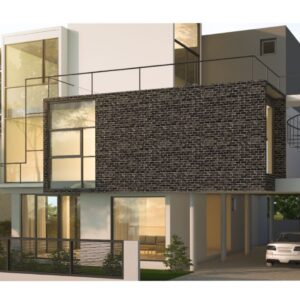
Chocolate brown paired with white trims creates a classic Indian home look. The contrast is sharp, sophisticated, and ages well. Light brown or beige exteriors also work beautifully and hide dust better than stark white walls.
For a more contemporary look, try grey-brown tones with black window frames. It’s modern, clean, and stands out in the neighbourhood.
| Is Brown Good as Per Vastu? According to Vastu Shastra, brown is considered a positive colour. It represents the earth element and promotes stability, security, and grounding. These qualities make it an excellent choice for homes. |
Bring Your Brown Vision to Life With MRF Vapocure Paints
Brown is steady, reliable, and always in style. It doesn’t shout for attention but quietly elevates everything around it. From heritage homes to modern apartments, from cosy bedrooms to bold living rooms, brown fits right in.
At MRF Vapocure Paints, we understand what Indian homes need. Our paints are designed for durability, smooth finish, and long-lasting colour. When you choose brown from our range, you’re choosing quality that stays true for years.
Ready to explore? Check out our brown colour catalogue and find the perfect brown for your space. Your walls are waiting.
Ready to Go Brown?
You came here curious about brown. Now you know how to make it, which shades exist, what moods they create, and which combinations work best for Indian homes.
That’s everything you need to start.
Brown isn’t boring. It’s timeless. It works with your wooden furniture, your warm lighting, and your lifestyle. It hides dust, ages gracefully, and makes every room feel grounded.
The only thing left? Picking your shade and getting started.
If this guide helped, save it for later or share it with someone planning their next home makeover.
FAQs
What two colours make brown?
Orange and black mixed together create brown quickly. You can also mix red and green, yellow and purple, or blue and orange. Each combination gives a slightly different brown shade.
Is brown a good colour for bedroom walls?
Yes. Brown promotes relaxation and creates a cosy atmosphere. Light browns like tan, beige, or caramel work best for bedrooms as they feel calming without being too heavy.
Which brown shade is best for the living room?
Medium browns like walnut, mocha, or coffee are popular choices for living rooms. They’re warm and inviting without overwhelming the space. Pair them with cream or beige furniture for a balanced look.
Does brown colour suit Indian homes?
Absolutely. Brown complements the wooden furniture found in most Indian homes. It works well with Indian lighting and hides dust better than lighter colours. It’s practical and stylish.
Is brown colour good as per Vastu?
Yes. Brown represents the earth element and is considered auspicious in Vastu. It promotes stability and grounding. Light brown is especially recommended for bedrooms in the south west direction.
What colours go well with brown walls?
White, cream, beige, mustard, teal, olive green, grey, and blush pink all pair beautifully with brown. The right combination depends on the mood you want to create.
How do I make light brown?
Start with a basic brown by mixing red, yellow, and blue. Then gradually add white until you reach the lighter shade you want. The more white you add, the lighter your brown becomes.
Can I use brown for exterior walls?
Yes. Chocolate brown with white trims is a classic exterior combination. Light brown or beige exteriors are also popular and hide dust well. Brown exteriors look sophisticated and age gracefully.
Does brown make a room look smaller?
Dark browns can make a room feel cosier and more intimate, which may feel smaller in compact spaces. Light browns have the opposite effect and can make rooms feel more open. Choose based on your room size.
What furniture colour goes with brown walls?
Cream, white, beige, and natural wood tones work best with brown walls. You can also try mustard or teal accents for a pop of colour. Avoid furniture that matches the exact same brown shade as your walls.