New Home Checklist: Colours, Finishes and First Impressions for Your Dream House
Building a new home comes with hundreds of decisions, and choosing paint colours is one of the most exciting. It is also one of the easiest to get wrong if you leave it until the last minute. From selecting the right shades to choosing suitable finishes and testing colours in different lighting, every decision plays a role in how your home looks and feels.
This practical checklist will help you plan your new home painting design step by step, so you can move in with confidence knowing every room has been thoughtfully planned.
Quick Read
Before you pick up a paint catalogue, remember this. A successful house colour selection is about much more than choosing a favourite shade. The best results come from planning your palette early, matching colours with flooring and fixtures, selecting the right finishes for each room, and testing every shortlisted colour in your home’s natural light.
Use this checklist to make sure nothing gets overlooked.
Key Takeaways
✔ Plan your colour palette before flooring, countertops and fixtures are finalised.
✔ Always test paint colours on the actual wall under different lighting conditions.
✔ Choose paint finishes based on how each room is used.
✔ Keep your interior and exterior colours visually connected for a cohesive home.
✔ Involve everyone in the family before making the final decision.
| Read all the way to the end to find not one but two printable checklists, ready to download and use as you plan your own home. |
Your New Home Colour Checklist Starts Here
You’ve chosen the flooring, approved the kitchen design and imagined where every piece of furniture will go.
Now comes one of the biggest decisions.
What colours will bring your dream home to life?
With hundreds of shades available, it’s easy to feel overwhelmed. Instead of picking colours room by room or relying only on a tiny shade card, work through this checklist. Each step helps you make practical decisions that will save you time, money and unnecessary repainting later.
Let’s start ticking the boxes.
Have You Planned Your Colour Palette Before Anything Else?
Many homeowners choose paint after everything else is installed.
In reality, the opposite approach works much better.
Wall colours should complement your flooring, countertops, wardrobes, curtains and furniture. When these decisions happen together, your home feels balanced instead of looking like different rooms were designed independently.
Before moving forward, ask yourself:
✔ Have I shortlisted my colour palette?
✔ Will these shades work with my flooring?
✔ Do they match the overall style of my home?
Tick this off before moving to the next stage.
Have You Looked Beyond Just the Wall Colour?
Here’s something many first-time homeowners don’t realise.
Choosing a wall colour is only one part of the decision.
Every room is shaped by three important elements.
✔ Wall colour
✔ Trim colour
✔ Paint finish
For example, the same beige wall can look elegant with crisp white trims or appear completely different with matching trims. Likewise, a matte finish creates a soft appearance, while satin and gloss reflect more light and offer greater durability.
Treat these three decisions as one complete package rather than separate choices.
Have You Checked the Undertones?
Ever wondered why a colour looked perfect in the showroom but completely different at home?
The answer is usually undertones.
Every paint colour carries subtle hints of another colour beneath its surface. Even white paints can have warm, cool, yellow, grey or blue undertones.
These become more noticeable depending on the direction your room faces and how much natural light enters throughout the day.
Before you finalise any shade, ask yourself:
✔ Have I checked it in natural daylight?
✔ Have I looked at it during the evening?
✔ Does it still match my flooring and furniture?
Taking a little extra time now can prevent expensive repainting later.
Does Your Interior Match Your Home’s Exterior?
Think about the first impression your home creates.
Your exterior is the first thing visitors notice, but the experience shouldn’t end there. Walking through the front door should feel like a natural continuation of the home’s personality.
This doesn’t mean using the same colours everywhere.
Instead, aim for a palette that feels connected.
For example, if your home’s exterior features earthy tones, introducing warm neutrals inside creates a seamless transition. If you’ve chosen a modern grey façade, softer greys and muted whites indoors help maintain that contemporary feel.
A consistent approach makes your entire home feel thoughtfully designed.
Are You Choosing Colours Before Moving In?
If your home is still empty, this is the perfect time to paint.
Once furniture arrives, every painting job becomes more time-consuming.
Sofas need covering.
Wardrobes need protecting.
Decor has to be removed.
Painting before moving in saves both labour and effort while allowing painters to achieve a cleaner finish.
Before moving day, make sure you’ve completed these tasks.
✔ Finalised every room’s colour.
✔ Selected finishes for every space.
✔ Confirmed accent walls, trims and ceilings.
It’s much easier to make changes now than after you’ve settled in.
Is Your Living Room Ready to Make a Great First Impression?
Your living room is where family gathers, guests spend time, and everyday moments happen.
It deserves a colour that feels welcoming throughout the day.
Before choosing a shade, ask yourself:
✔ Does it look inviting in natural light?
✔ Will it suit both daylight and evening lighting?
✔ Does it complement my furniture?
Soft warm neutrals, muted earthy shades and gentle greys remain popular choices because they’re versatile and easy to decorate around.
If you’d like to add personality, consider one accent wall behind the sofa or entertainment unit instead of using bold colours throughout the room.
Have You Planned Colours That Flow Into the Dining Area?
Open-plan homes have become increasingly popular, making colour continuity more important than ever.
Rather than treating the living and dining rooms as completely separate spaces, think about how they connect visually.
Ask yourself:
✔ Do both rooms feel like they belong together?
✔ Will people notice an abrupt colour change?
✔ Can accent colours help define each space without making them feel disconnected?
Keeping a consistent base colour while using décor and furnishings to create distinction often delivers the most elegant result.
Does Your Bedroom Feel Calm Enough to Relax In?
Bedrooms don’t have to be colourful to feel beautiful.
In fact, softer colours often create the most comfortable spaces.
Think about how you want to feel after a long day.
Relaxed.
Comfortable.
Peaceful.
Muted greens, gentle blues, warm creams and dusty neutrals work particularly well because they create a soothing atmosphere without overwhelming the room.
Before ticking this box, ask yourself:
✔ Is this a colour I’ll enjoy every day?
✔ Will it still feel comfortable a few years from now?
Choosing timeless shades gives you more flexibility as your furniture and décor evolve.
Have You Chosen Practical Finishes for Kitchens and Bathrooms?
These rooms work harder than any other space in your home.
- Steam.
- Grease.
- Moisture.
- Frequent cleaning.
All of these affect how paint performs over time.
Instead of focusing only on colour, choose finishes designed for everyday durability.
Satin and semi-gloss finishes are easier to clean and resist moisture more effectively than flat finishes, making them ideal for kitchens, bathrooms and utility areas.
If you’re planning your home with long-term maintenance in mind, high-quality interior emulsions that offer washable, low-odour and durable performance can help keep these spaces looking fresh for years.
Have You Finalised Your Colour Palette Before Flooring and Fixtures?
Here’s one of the biggest mistakes homeowners make.
They choose paint first.
Then they select flooring.
Or kitchen countertops.
Or wardrobes.
The result?
Colours that no longer work together.
Instead, finalise flooring, stone finishes, cabinets and major fixtures before locking your paint palette.
This ensures every element shares similar undertones and creates a harmonious overall look.
Have You Tested Your Paint Colours on the Actual Wall?
This might be the most important box on your entire checklist.
A shade card can give you an idea of the colour, but it can’t show you how that colour will behave inside your home.
Natural light changes throughout the day. Artificial lighting changes the appearance of colours too. Even the size of a room can make the same shade look lighter or darker.
Before making your final decision, paint a test patch that’s at least 2 ft × 2 ft on the actual wall.
Then check it:
✔ In the morning
✔ During the afternoon
✔ In the evening
✔ Under your regular indoor lighting
If it looks good in every situation, you’re ready to move ahead.
Quick Tip
Test 2 ft × 2 ft Patch → Check Morning Light → Check Evening Light → Finalise Your Colour Palette
A few extra days of testing can save you the cost and hassle of repainting an entire room.
Have You Chosen the Right Paint Finish for Every Room?
Here’s another question many homeowners overlook.
Have you selected the finish or just the colour?
The finish you choose affects everything from durability to maintenance.
Use this quick guide before you decide:
✔ Matte Finish – Ideal for bedrooms and living rooms where you want a soft, elegant appearance.
✔ Satin Finish – A practical choice for busy areas that need occasional cleaning.
✔ Semi-Gloss Finish – Best suited for kitchens, bathrooms and utility spaces because it resists moisture and is easier to wipe clean.
Matching the finish to the purpose of each room helps your paint look newer for longer.
Has Everyone in the Family Approved the Colour Palette?
Imagine completing your entire painting project only to hear,
“I thought we were choosing a lighter colour.”
Avoid last-minute surprises by involving everyone before the painters begin.
Walk through the shortlisted shades together and discuss them in the actual spaces.
Ask questions like:
✔ Does this room feel too dark?
✔ Will this colour still look good with our furniture?
✔ Is everyone comfortable with the accent wall?
A short discussion today is much easier than repainting next year.
Do You Need an Interior Designer or Can You Do It Yourself?
There isn’t a right or wrong answer.
If you’ve already built a clear vision for your home, choosing colours yourself can be rewarding.
However, if you’re unsure about undertones, finishes or coordinating materials, an experienced interior designer can help bring everything together.
Whichever approach you choose, make sure you understand how colours interact with flooring, lighting and furniture before making your final decisions.
Have You Planned Any Feature Walls?
Feature walls are a great way to add personality—but only when they’re used with purpose.
Instead of adding bold colours randomly, ask yourself:
✔ Is there a natural focal point in this room?
✔ Will the accent wall highlight the bed, sofa or TV unit?
✔ Does it complement the rest of the colour palette?
A useful guideline is the 60-30-10 rule.
- 60% of the room uses one dominant colour.
- 30% introduces a complementary shade.
- 10% adds an accent through a feature wall or décor.
This creates visual balance without making the space feel overwhelming.
Have You Planned Your Exterior Colours Too?
While it’s easy to focus on interiors, don’t forget that your home’s exterior creates the very first impression.
Exterior walls face constant exposure to sunlight, rain, dust and changing weather conditions. They need coatings designed to withstand these challenges while maintaining their appearance over time.
Before ticking this off your list, ask yourself:
✔ Does the exterior colour suit the style of my home?
✔ Will it complement the surrounding landscape?
✔ Does it connect naturally with my interior palette?
Planning both together creates a home that feels cohesive from the moment someone arrives.
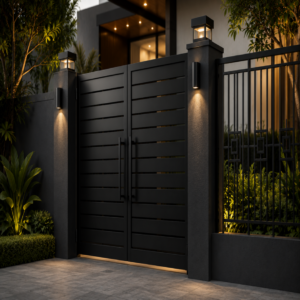
Have You Selected the Right Paint for Gates, Railings and Metal Surfaces?
Not every surface should be painted with the same product.
Metal gates, balcony railings, window grilles and fences require specialised coatings that protect against rust, moisture and daily wear.
Choosing dedicated metal coatings helps preserve both the appearance and durability of these surfaces, ensuring they continue to look good long after your walls have been painted.
Quick Self-Check Before You Start Painting
Before you give the go-ahead, see how many of these boxes you’ve ticked.
✔ Finalised your overall colour palette
✔ Coordinated colours with flooring and fixtures
✔ Tested every shortlisted shade on the wall
✔ Viewed colours in different lighting conditions
✔ Chosen the right finish for every room
✔ Planned your feature walls
✔ Included exterior colours in your planning
✔ Selected suitable coatings for metal surfaces
✔ Discussed the palette with everyone at home
If you’ve ticked most of these boxes, you’re well prepared to start painting with confidence.
Why Homeowners Trust MRF Vapocure Paints
A well-planned colour palette deserves coatings that perform just as beautifully as they look.
With decades of expertise in high-performance coatings, MRF Vapocure Paints brings engineering excellence from industrial and applications into homes across India. This technical foundation helps deliver paint systems designed for durability, consistent finish and long-lasting protection.
Whether you’re painting interior walls, refreshing your home’s exterior or protecting metal gates and railings, MRF Vapocure offers a connected range of coating solutions that work together seamlessly.
From smooth interior emulsions that stand up to everyday living to weather-resistant exterior coatings and specialised metal paints, every product of ours is designed to help homeowners create spaces that stay beautiful for years to come.
Summing Up
Choosing colours for your dream home isn’t about finding one perfect shade; it’s about making a series of thoughtful decisions that work together.
By following this checklist, you’ll avoid common mistakes, create a cohesive look throughout your home and choose finishes that suit the way each room is used. Most importantly, you’ll complete the painting process before moving in, making the entire experience smoother and more cost-effective.
Whether you’re selecting elegant interior shades, durable exterior coatings or protective finishes for metal surfaces, MRF Vapocure Paints offers trusted solutions designed to help every part of your home look its best.
Ready to start your painting journey?
Explore our complete range of paints and speak to your nearest authorised dealer for expert guidance on colours, finishes and coating systems tailored to your new home.
Frequently Asked Questions
When should I start choosing paint colours for my new home?
Ideally, you should begin selecting colours before flooring, countertops and major fixtures are finalised. Planning early helps ensure every design element works together and avoids costly changes later.
Why does the same paint colour look different in different rooms?
Natural light, room size, window direction, flooring, furniture and artificial lighting all influence how a colour appears. That’s why it’s important to test paint on the actual wall before making a final decision.
How many colours should I use throughout my home?
Most homes look cohesive with a palette of three to four main colours, complemented by accent shades where needed. Using a consistent palette creates better visual flow between rooms.
Which paint finish is best for kitchens and bathrooms?
Satin and semi-gloss finishes are generally preferred because they resist moisture and are easier to clean than flat finishes, making them suitable for high-use areas.
Should my interior colours match my home’s exterior?
They don’t need to match exactly, but they should complement each other. A connected colour scheme creates a stronger first impression and makes the entire home feel thoughtfully designed.
What’s the best way to test a paint colour?
Paint a large test patch—around 2 ft × 2 ft—on the actual wall and observe it during the morning, afternoon and evening under both natural and artificial light before making your final choice.
Is it better to paint before or after moving into a new home?
Painting before moving in is usually the better option. Empty rooms are easier to paint, the work is completed faster, and there’s no need to move or protect furniture.
Should I use the same paint finish throughout the house?
Not necessarily. Different rooms have different needs. Living rooms and bedrooms often suit matte finishes, while kitchens and bathrooms benefit from more durable satin or semi-gloss finishes.
Do metal gates and railings require different paint?
Yes. Metal surfaces should be coated with specialised metal paints that provide protection against rust, weather exposure and daily wear instead of using standard wall paints.
What is the biggest mistake homeowners make when choosing paint colours?
One of the most common mistakes is selecting colours from a shade card without testing them on the actual wall. Real lighting conditions can significantly change how a paint colour appears, making on-wall testing an essential step before painting your entire home.
Downloadable Checklists: