Rust-Proof Your Metal Surfaces Before Winter
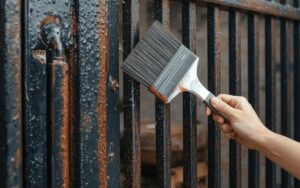
Paint that once felt strong now shows tiny cracks and chips. The gate has bare metal peeking through, and it turns orange. Cold nights pull moisture from the air and settle it on metal. That thin film feeds oxidation. Old coatings turn brittle, and even a small cut lets water touch steel. Joints and screws hold damp air longer than open faces. The result is a quick spread as the season sets in. A small flake becomes a rough patch, and a rough patch becomes a weak spot. Cooler weather also stretches drying times for new coats. Good planning and patient timing fix that.
Let’s Begin
You reach for the gate and it nips your palm. The balcony rail looks spotted. The outdoor chair wobbles and leaves a stain on your hand. It has been a few years since you painted anything at home, and the weather has pushed the metal around the house to its limit. But at the same time, calling experts is not the plan. Winter approaches, and the chill will accelerate the growth of rust. You can still take charge. This blog is for you if you want to make your home look its best with regular tools and offers a clear path to rust-proof metal surfaces.
Quick Tour Of Risky Spots At Home
Start at the entry. Gates, grills, and railings collect handprints, dust and rain. Balcony rails stain clothes and hands. Outdoor furniture faces the sun and spray. Window bars lose colour along thin edges. Clothesline poles, plant stands, shoe racks and small shelves rust near the base. Door frames near bathrooms show bubbles close to the floor. These places need early attention for metal surface rust protection.
How to Rust-Proof Your Metal Surfaces
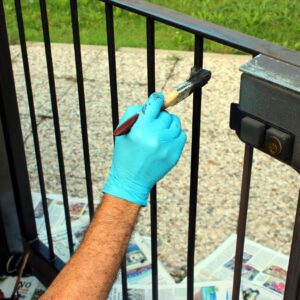
Prepare the surface using simple tools you already own, such as a wire brush, medium- and fine-grit sandpaper, a small, angled brush, a short roller with a tray, mild detergent, clean water, two soft cloths, masking tape, metal primer, and a weather-resistant top coat. Add gloves and eye protection. This small set is enough to prepare metal surfaces for winter.
For a sturdy system, think in three layers.
- Primer bonds to metal and seals pores.
- The body coat builds colour and film.
- The final coat guards against damp air and adds sheen.
Together, they deliver rust prevention for metal surfaces.
Step One: Inspection In Clear Light
Hold a dry white cloth and rub small sections. If the cloth turns orange or the surface feels powdery, you have early rust. Tap bubbles with a coin and listen for a dull tone. Mark each spot with chalk. That is thoughtful surface preparation without fuss.
Step Two: Wash, Rinse, Dry
Use warm water with mild detergent for cleaning metal surfaces. Remove dust, oil, and old polish. Rinse with clean water. Then dry metal surfaces thoroughly. Drying is vital. Wipe once, then let air do the rest. Paint on damp metal fails fast.
Step Three: Sand And Brush To A Firm Base
Scrub loose flakes with a wire brush. Sand until you see a clean, shiny metal surface or at least a solid, matte surface with no flaky edges. dust with soft cloth. This is the right way to remove existing rust. Intense prep equals long life.
Step Four: Use A Rust Inhibitor If Needed
Deep pits or dark patches call for a rust inhibitor or a rust converter. Apply a thin coat as per the label and let it cure. This provides corrosion control that prevents active oxidation before the primer is applied.
Step Five: Prime For Grip And Seal
Pick a metal primer for exterior use. Stir well. Cut in edges with a small brush, then roll the flats. Keep coats light and even. A good primer sets the stage for the top coat. Let it cure as advised.
Step Six: Finish With A Protective Coat
Select a product that promises to protect metal surfaces from corrosion. For outdoor items, select a finish rated for exterior use. Many homeowners like enamel for its smooth flow and strong film. Two thin coats are better than one heavy coat. This is how you apply protective coatings that last through cold nights and damp mornings.
Step Seven: Care For Joints And Moving Parts
After the top coat cures, place a drop of light oil on hinges and hasps. Touch up screw heads and brackets. These small moves help with winter maintenance of metal surfaces and keep the motion smooth.
Mistakes To Avoid
- Do not paint over dust or oily smudges. The coat will not bond.
- Do not skip drying. Moisture under paint creates bubbles later.
- Do not forget edges, welds, and the backs of brackets. These fail first.
- Do not use indoor paints on exterior items. They fade and peel too soon.
- Do not postpone the job until peak cold. Drying slows, and you lose days.
Troubleshooting Small Headaches
- If the first coat sags, you loaded too much paint. Lightly sand the run after it dries, and apply a thinner coat on the next pass.
- If a spot turns brown under fresh paint, you missed active rust. Sand back to solid metal, use a rust inhibitor, then re-prime and coat.
- If a hinge still squeaks, clean it first, then add oil and cycle it a few times.
Protect Your Home Like An Expert
We develop and curate paints that solve home exterior and interior wall problems for years to come. Each finish is tuned for easy application, strong coverage, lasting colour and low upkeep.
We extend the same care to metal at home. If you are looking for a rust-proofing solution, MRF Vapocure Paints – MetalCoat provides a dependable barrier when applied on a clean, well-primed surface. Apply it on a clean primed surface and it builds a tough barrier that resists moisture, holds gloss and protects gates, grills, railings and fixtures through changing weather.
Summing Up
Rust spreads more quickly in cold conditions, but you can stay ahead with simple preventive measures. Inspect wash sand, prime and finish with thin, even coats. Choose a dry day, allow each layer its cure time, and keep a cloth handy for quick wipe-downs after dew. Add a drop of oil to hinges and cover nicks before they grow. Start with the spot you see most and build from there. Do this now, and your gates, railings and furniture will look better and last longer through winter.
FAQs
1) What is the fastest way to rust-proof metal surfaces before winter?
Clean the surface, sand to a firm base, apply an anti-rust primer, then add two thin coats of weather-resistant metal paint or PU enamel. Thin even coats dry faster and protect better.
2) How do I prepare gates, grills, and balcony railings for paint?
Wash with mild detergent, rinse, and dry fully. Brush off loose rust, sand to a sound metal surface, wipe away dust, and then prime. This prep gives reliable corrosion protection.
3) Can I paint over rust and still get a durable finish?
Yes, after you remove the loose scale. For deep pits, use a rust converter or rust inhibitor, then apply primer and a protective paint system.
4) Which primer should I choose for steel at home?
Pick an exterior metal primer with zinc phosphate or similar anti-corrosion pigments. It improves adhesion and blocks future rust.
5) What topcoat works best on outdoor metal furniture and railings?
Use PU Paint or a weather-resistant metal paint rated for exterior use. These finishes form a hard film and resist moisture.
6) What is the difference between drying time and cure time for metal paint?
Drying time is touch-dry. Cure time is full hardness and resistance. Wait for the cure before heavy use or cleaning.
7) What weather gives the best results for rust proofing?
Choose a dry day with low humidity. Keep the surface a few degrees above the dew point to prevent condensation from forming during painting.
8) Can I rust-proof metal without power tools?
Yes. A wire brush, sandpaper, and a small, angled brush handle most home jobs if you work patiently.
9) When should I use a rust converter or rust inhibitor?
Use one if dark pits remain after sanding. Let it cure, then prime and finish.
10) How many coats do I need for strong corrosion protection?
Plan one coat of anti-rust primer and two thin coats of metal paint. This system balances speed and durability.
11) How long should I wait between coats in cool weather?
Follow the can guidance and allow extra time. Recoat only when the film feels dry and firm with no tack.
12) Can I use the same paint indoors and outdoors?
Choose exterior grade paints for outside items. You can use it indoors with good ventilation.
13) How do I paint galvanised steel, aluminium, or stainless steel?
Degrease, scuff lightly, and use a primer that is specifically formulated for the metal. Then apply your weather-resistant topcoat.
14) What causes bubbles, blisters, or peeling on metal paint?
Trapped moisture, dust, or heavy coats. Clean well, keep coats thin, and avoid painting late in the evening.
15) How do I avoid drips and runs on grills and railings?
Load the brush lightly, work from the top down, and use a mini roller on flat bars for even film build.
16) Do I need to strip all old paint before priming?
No. Keep any firm, well-bonded film. Remove loose or blistered areas, feather edges, and spot prime bare metal.
17) What is a good rust-proofing solution for home metalwork?
Use a proven metal primer plus a PU paint or protective metal paint. Many homeowners choose MetalCoat by MRF Vapocure Paints on a clean, well-primed surface for a dependable barrier.
18) How do I maintain a rust-proof finish during winter?
Wipe dew from railings on cold mornings, check joints monthly, and cover small chips at once with a quick touch-up.
19) Is primer necessary on previously painted metal that looks fine?
Spot prime any bare areas. If the old film is glossy, degloss with a fine abrasive so the new coat grips well.
20) What is the best way to clean metal before primer?
Wash with mild detergent, rinse with clean water, and let it dry fully. Wipe with a clean cloth just before priming to remove dust.