5 Mistakes to Avoid While Painting Metal Surfaces
We all know that painting metal requires more precision because it is smooth, non-porous, and more prone to rust. Metal surfaces are found in industrial equipment, automobiles, infrastructure, household items, and many other applications. Since we use metal in so many areas of daily life, proper cleaning, priming, and painting techniques are crucial to ensure long-term protection.
People commonly face issues like peeling, rusting, and poor adhesion. In this article, we’ll explore the topics,
- Why painting metal requires special care
- 5 mistakes you must avoid while painting metal surfaces to achieve a long-lasting, professional finish.
Why Painting Metal Requires Special Care?
Continuous exposure to air, water, and air pollutants makes metal highly susceptible to rust and corrosion. Over time, these factors weaken the metal and shorten its lifespan. Applying the right primer and paint helps stop this deterioration and increases the durability of metal surfaces. A well-applied paint system protects the metal, keeps it looking fresh, and shields it from environmental exposure for years.
5 Mistakes to Avoid While Painting Metal Surfaces
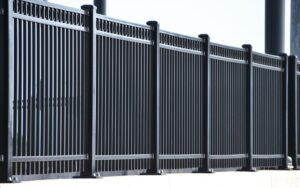
1.Skipping Proper Cleaning and Degreasing
Many people think wiping the surface before painting is enough. But in reality, metal contains invisible contaminants like factory oils, machining residues, fingerprints, rust, and dust. These contaminants prevent proper paint adhesion.
If you paint without proper cleaning,
- The paint doesn’t adhere properly to the surface, leading to peel-off.
- The finish becomes uneven or patchy.
- Defects like fish-eye appear due to oil or grease.
How to Fix This Problem?
- Use a degreaser or solvent cleaner.
- Rinse thoroughly and let the surface dry completely.
- Use a lint-free cloth to avoid fibres sticking to the wet paint.
Real Example
A homeowner painted a metal window grill near the kitchen without cleaning it properly. Oil vapours from cooking had accumulated on the grill, along with outdoor pollution. Within two weeks, the paint near the hinges started peeling. After using a degreaser and repainting, the finish lasted for years, and oily patches on the grill disappeared.
2.Not Removing Rust Completely Before Painting
Rust is a reddish-brown flaky coating, another form of corrosion. If you paint over it, rust will continue to grow underneath the paint film until the coating cracks or bubbles.
Why Incomplete Rust Removal is a Problem?
- Rust spreads faster in humid environments.
- The paint loses adhesion and falls off.
- The metal gradually weakens.
How to Fix it?
- For light rust: use sandpaper or a wire brush.
- For deep rust pits: apply a rust converter primer.
- Always apply a suitable primer after rust removal.
Real Example
A workshop owner repainted a metal gate but ignored deep rust pits. After one monsoon season, the paint bubbled and peeled. When inspected, the rust pits were still present beneath the paint. After removing all rust and applying rust converter primer, the problem was resolved.
3.Using the Wrong Primer (or Skipping Primer Entirely)
Metal behaves differently from wood; it does not absorb paint. Primer is essential to create strong adhesion between paint and metal.
Why the Wrong Primer Causes Problems?
- Paint doesn’t bond properly with metal.
- Metal becomes exposed to moisture and begins to rust.
- The topcoat loses gloss, durability, and appearance.
How to Fix This Problem?
Choose the primer based on the metal type:
- Etching primer for aluminium and galvanized steel.
- Red oxide primer for iron and mild steel.
- Epoxy primer for strong adhesion and chemical resistance.
- Zinc-rich primer for heavy-duty corrosion protection.
Real Example
A customer painted a balcony railing with enamel paint but skipped primer. It looked glossy initially, but within one month, small areas of paint chipped off where people held the railing. The customer contacted us. We guided him on using the correct primer. After using our Epoxy ZN PH Primer followed by Metalcoat Two Pack PU as recommended, the adhesion problem was solved, and the coating lasts longer for years with classy aesthetic look!
4.Choosing the Wrong Type of Paint.
Using wall paint or low-quality enamel on metal results in poor adhesion, fading, cracking, and weak rust protection.
Why the Wrong Paint Creates Problems
- Metal needs paints with strong binders for long-lasting adhesion.
- Some paints react with UV light or environmental pollutants.
- Water-based paints fail to adhere to unprimed metal.
How to Fix This Problem?
Use paints designed for metal:
- Acrylic or PU Paints for smooth and durable finishes.
- Epoxy paint for industrial use.
Real Example
A person repainted his iron garden chairs with leftover wall paint. The paint dried soft and sticky, collected dust, and peeled off with a fingernail. After using Epoxy ZN PH Primer and Metalcoat Two Pack PU paint, the chairs withstood sunlight and rain for years and still look new!
5.Poor Application Technique
Even with correct cleaning, priming, and paint selection, poor application can ruin the finish.
Common Errors in Application
- Applying thick or thin coats.
- Not allowing enough drying time.
- Painting in direct sunlight or high humidity.
- Using dirty brushes or rollers.
- Painting in a dusty environment.
Impact of These Errors
- Thick coats cause dripping and sagging, and thin coats cause hiding and performance-related issues.
- Poor drying leaves the paint soft and sticky.
- Sunlight dries paint too quickly, leading to poor adhesion.
- High humidity traps moisture, which leads to blistering and peeling.
- Dirty tools leave marks and an uneven finish.
- Dust causes a rough surface, bubbles, and premature failure.
How to Fix This Problem?
- Apply 2 to 3 coats in the recommended thickness evenly.
- Improve ventilation and allow proper curing time.
- Paint in shaded, controlled conditions.
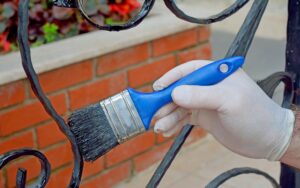
- Use good-quality brushes and rollers.
- Clean the room before starting the work.
Real Example
A metal fabricator applied thick coats of paint to steel window frames. The surface looked glossy at first, but sagging lines and orange peel texture appeared later. Some areas remained wet even after 72 hours. It would have been prevented if applied with the recommended thickness, which could deliver a smoother, defect-free finish.
Conclusion
Metal painting is not difficult, but it requires the proper surface preparation, primer selection, and application techniques. If you are planning to paint your metal surfaces, feel free to contact us. Our team will guide you with the right products and technical advice.
Questions For Metal Surfaces
1. How to Paint Metal Correctly?
First, clean the metal, remove loose paint and rust, repair dents or holes, apply the recommended primer for the type of metal, and then apply the recommended topcoat for long-term protection.
2. What are the 5 Defects Found on a Painted Metal Surface?
You may observe peeling, rusting, blistering, poor adhesion, and uneven finish on a painted metal surface.
3. Is Vinegar Good to Clean Metal Before Painting?
Yes, vinegar can clean metal before painting by removing light rust and grease, especially if you have a low budget. But cleaning the metal with the thinner is highly recommended.
- Why do we apply paint on metal (iron) articles?
We paint iron and metal articles mainly to prevent rusting and to improve appearance. Paint forms a barrier that keeps moisture and oxygen — the two things that cause iron to rust — away from the metal surface, while also giving colour and a finished look. On outdoor items like gates and railings, this protection is the difference between metal lasting years and corroding quickly.
- How does painting prevent rusting?
Painting prevents rust by sealing the metal from air and water, so the oxidation reaction that forms rust can’t take place. A primer adds active corrosion inhibitors on top of this barrier effect. The protection only holds where the film is intact, which is why full coverage and touching up chips promptly matter.
- Does metal need to be painted differently from wood or walls?
Yes — metal needs metal-specific primers and paints (enamel or PU) because it doesn’t absorb coatings like wood or masonry and it rusts. Wall emulsion and ordinary wood treatments won’t bond or protect properly on metal. The core sequence for metal is always: clean → remove rust → prime with an anti-rust primer → top-coat.
- What are the basic steps to paint any metal surface?
The proven five-step sequence is: (1) clean off dirt and grease, (2) remove rust and loose old paint by sanding/wire-brushing, (3) wipe clean and let it dry, (4) apply an anti-corrosion primer, (5) apply two top-coats. Preparation (steps 1–3) determines how long the finish lasts far more than the paint itself.
- Can all types of metal be painted?
Most common metals — mild steel, iron, aluminium, galvanised steel — can be painted, but some need special preparation. Galvanised and aluminium surfaces need an etch/self-etching primer because ordinary primers don’t grip their smooth, reactive surface. Bare steel and iron are the most straightforward once cleaned and primed.
- Why does paint peel off metal so easily?
Paint peels off metal almost always because of poor preparation — painting over rust, grease, a smooth glossy surface, or without primer. Metal gives paint nothing to soak into, so the surface must be cleaned, keyed by sanding, and primed to create adhesion. Fix the prep and peeling stops.
- What is the best paint for metal surfaces?
Exterior enamel and polyurethane (PU) paints are the best for metal — they bond to it, resist weather and UV, and protect against rust when used over a metal primer. For outdoor metal in harsh sun or humidity, a PU top-coat such as MRF Durothane or Specta PU enamel lasts longest; for indoor or budget jobs, a quality enamel is fine. → link to MRF metal/enamel/PU product pages
- What type of paint should I use on metal — enamel or emulsion?
Use enamel or PU, never emulsion. Enamel (alkyd) and PU are formulated to bond to metal and cure to a hard, weather-resistant film; wall emulsion is for masonry and will peel off metal within months with no rust protection.
- What is the difference between enamel and PU paint on metal?
Enamel is affordable and gives a hard glossy finish; PU (polyurethane) costs more but offers far better UV resistance, gloss retention, and durability. For metal in strong sun — gates, railings, outdoor furniture — PU is the better long-term value; for sheltered or budget work, enamel is adequate.
- Can I use wall paint on metal?
No — wall (emulsion) paint won’t bond to metal, offers no rust protection, and will flake off quickly. Metal needs a metal-specific enamel or PU paint over an anti-corrosion primer. This is one of the most common and costly painting mistakes.
- Can I use wood primer on metal (or metal primer on wood)?
No — use the primer made for the surface. Wood primers don’t contain the rust-inhibiting properties metal needs, and metal primers aren’t formulated for wood’s absorbency. For metal, use a dedicated anti-corrosion/metal primer such as MRF Epidec. → link to MRF primer page
- Is spray paint or brush-applied paint better for metal?
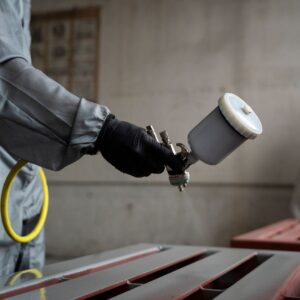
Spray gives the smoothest, most even finish and reaches intricate shapes like grilles easily, but needs masking and equipment; brushing is more practical for home use and handles bars and railings well. For most household metal items, a good brush (with a small brush for detail) gives excellent results.
- What paint should I use on outdoor metal?
Outdoor metal needs an anti-corrosion primer plus a weather- and UV-resistant enamel or PU top-coat — the exposure to sun and rain makes corrosion protection essential. A PU top-coat holds colour and gloss longest outdoors. Products like MRF Epidec primer under a Durothane PU finish suit exposed outdoor metal. → link
- What is the best paint for aluminium?
Aluminium needs a self-etching or etch primer first, because its smooth, oxide-forming surface resists ordinary primers — then a standard metal top-coat. Skipping the etch primer is the main reason paint fails on aluminium.
- Do I need a special paint for galvanised metal?
Yes — galvanised (zinc-coated) metal needs an etch/self-etching primer, as ordinary primers won’t adhere to fresh zinc. This is the most common reason paint peels off new galvanised gates, sheets, and fences within a year.
- What paint stops metal from rusting?
An anti-corrosion (zinc-phosphate or zinc-chromate) primer is what actively stops rust, topped with a durable enamel or PU that seals it in. The primer inhibits corrosion chemically while the top-coat provides the weather barrier. Both layers together are what keep metal rust-free.
- Does metal need primer before painting?
Yes — always prime metal. Primer is what bonds the top-coat to the metal and provides rust protection; painting bare metal without primer is the number-one cause of peeling and corrosion. Use an anti-corrosion metal primer, not a wood or wall primer.
- What is the best primer for metal?
A zinc-phosphate or anti-corrosion metal primer is best — it actively inhibits rust rather than just bonding. Red-oxide primer is the cheaper traditional option and works in dry conditions, but zinc-phosphate/anti-corrosion primers such as MRF Epidec protect far better in humid and coastal areas. → link to MRF primer page
- How do I remove rust from metal before painting?
Remove rust by wire-brushing or sanding down to sound, bright metal; for stubborn or heavy rust, use a rust converter or chemical rust remover. Never paint over rust — it keeps spreading beneath the film. Thorough rust removal is about 80% of a durable metal paint job.
- How do I clean metal before painting?
Clean metal by removing dirt and grease with a suitable degreaser or solvent, scrubbing off any grime, then wiping it down and letting it dry completely. Grease and dust prevent primer from bonding, so a clean, dry surface is essential. Follow cleaning with light sanding to key the surface.
- What should I use to clean metal before painting?
Use a degreaser or a mild solvent (such as mineral spirits) to cut grease and oil, plus a wire brush or sandpaper for loose rust and old paint. Avoid leaving any residue — wipe with a clean, dry cloth afterwards. The surface must be free of oil, dust, and moisture before priming.
- Should I sand metal before painting?
Yes — sanding (or wire-brushing) is essential. It removes loose rust and old paint and creates a slightly rough “key” so primer can grip; painting over a smooth or glossy metal surface guarantees peeling. Wipe off all dust before priming.
- Why should I avoid steel wool for cleaning metal before painting?
Steel wool is best avoided because tiny steel particles can break off, embed in the surface, and later rust — causing spots to bleed through the new paint. Use sandpaper or a wire brush instead, and wipe the surface clean afterwards.
- Can I paint over old paint on metal?
Yes, if the old paint is sound and well-adhered — sand it to a dull key, spot-treat any rust or bare areas with primer, then top-coat. Only fully strip where the old paint is peeling, blistered, or rusted underneath. A new coat over a failing old coat will fail with it.
- What is “steel marking” or “metal marking” before painting?
Marking refers to layout or reference lines made on steel/metal before fabrication or coating. When painting, ensure any marking ink or residue is cleaned off first, as it can interfere with primer adhesion. The surface under any mark must be clean and prepared like the rest.
- How do I stop rust from returning after painting?
Stop recurring rust by removing all existing rust first, using an anti-corrosion primer, applying two full top-coats with no thin spots, and touching up chips promptly — rust restarts at pinholes, edges, and welds. Give edges and joints extra attention, as they corrode first.
- How do I paint a metal door?
Clean and degrease the door, sand it to remove rust and dull the old finish, wipe clean, apply a metal primer, then two coats of enamel or PU top-coat. Remove or mask the hardware first, and paint any panels and edges evenly. Let each coat dry fully before the next for a smooth, durable finish.
- How do I paint an exterior metal door without removing it?
You can paint a hung metal door in place: mask the frame and hardware, work top-to-bottom, keep the door open until touch-dry to avoid it sticking, and apply thin, even coats. Choose a dry, mild day and use an exterior-grade metal enamel or PU. Wedge it open through the full drying time.
- How do I paint a metal grill or grille?
Wire-brush off rust and loose paint, clean and prime with an anti-corrosion primer, then apply two coats of enamel/PU using a brush (a small brush reaches between the bars). Grilles have a lot of surface area on thin bars, so budget extra paint and don’t leave thin spots where rust starts. For a colour-matched home, use the same system on your gate. → link to iron-gate colour-combination post + MRF metal paint
- How do I paint metal railings?
Prep railings exactly like a gate: remove rust, clean, prime with anti-corrosion primer, and apply two durable top-coats — PU is worth it here because railings get hand contact and full weather exposure. Coat all sides and the undersides, where rust hides. → link to MRF PU/enamel product page
- How do I paint an iron gate?
Remove all rust and flaking paint, clean, apply an anti-corrosion primer such as MRF Epidec, then two coats of enamel or PU top-coat, painting both sides and all edges. For colour ideas and combinations, see our iron gate colour guide. → link to /blogs/main-iron-gate-colour-combination/
- Can I paint steel, and how?
Yes — steel is one of the most paintable metals. Clean and degrease it, remove any rust and mill scale by sanding/brushing, prime with an anti-corrosion primer, then top-coat with enamel or PU. Galvanised steel additionally needs an etch primer first.
- How do I paint metal furniture?
Clean and sand the furniture, remove rust, prime, and apply thin coats of enamel or PU — spray gives the smoothest result on curved or tubular furniture, but a brush works with care. For outdoor metal furniture, use exterior-grade, UV-resistant paint so it doesn’t fade or chalk.
- How do I paint a metal shed or fence?
For large outdoor metal like sheds and fences, wire-brush off rust and loose paint, prime bare and rusted areas with anti-corrosion primer, and roll or brush on two coats of exterior metal paint. Work in dry weather and cover all edges and fixings, where rust typically begins.
- How do I paint metal pipes or railings on a balcony?
Sand and clean the pipes, prime with anti-corrosion primer, and apply two top-coats, rotating around the full circumference so there are no bare undersides. A brush suits pipework; take care to avoid drips on the rounded surface by using thin coats.
- Can I paint aluminium siding?
Yes — clean it thoroughly, apply a self-etching/aluminium-suitable primer, then an exterior top-coat. The etch primer is essential on aluminium; without it the paint won’t hold. Ensure the surface is free of chalk and oxidation before priming.
- How many coats of paint does metal need?
Metal needs one coat of primer plus two top-coats for full coverage and durability. A single top-coat leaves thin, patchy spots — especially on edges and detailed areas — where rust and fading start. Two even coats over primer is the standard for lasting protection.
- How do I paint metal without brush marks?
Use a quality synthetic brush, thin the paint slightly per the label, apply thin coats, and lay off in one direction with light final strokes — don’t overwork it as it sets. Enamel and PU self-level as they dry, so light, unhurried coats give the smoothest finish. Spraying avoids marks entirely.
- How do I paint metal furniture without spray paint?
Use a good brush and enamel/PU: sand and prime first, then apply thin coats, brushing in the direction of the length and laying off lightly so the paint self-levels. A small foam roller on flat sections plus a brush for detail also gives a smooth, spray-free finish.
- How long should I wait between coats on metal?
Follow the recoat time on the tin — typically 8–16 hours for enamel (overnight is safe); PU may specify its own window. Recoating too early traps solvent and causes wrinkling or soft paint, so don’t rush, especially in humid weather.
- How long does paint take to dry on metal?
Metal paint is usually touch-dry in a few hours but takes several days to fully cure and harden. Avoid handling, stacking, or exposing the item to knocks and heavy weather until it has cured — early use is a common cause of marks and premature wear.
- What is the best weather to paint metal?
Paint on a dry, mild day with low humidity and no harsh direct sun on the metal. Very hot metal makes paint dry too fast and show brush marks; cold or damp conditions slow curing and cause poor adhesion. Avoid painting metal in the rain or high humidity.
- Should I paint all sides of a metal item?
Yes — paint the back, edges, and undersides, not just the visible face. Bare or thinly-coated hidden surfaces are where rust takes hold and then spreads to the finished side. Full coverage on every face is what actually protects the metal.
- Can you paint metal without primer?
You can, but you shouldn’t — without primer the top-coat won’t bond properly and there’s no rust inhibition, so it peels and the metal corrodes underneath. Some “direct-to-metal” paints include primer in one product, but for bare or rusted metal a separate anti-corrosion primer gives far better results.
- How do I keep paint from peeling off metal?
Prevent peeling with proper preparation: clean off grease and dirt, remove rust, sand to key the surface, and always use a metal primer before top-coating. Peeling is a preparation failure, not a paint failure — get the prep right and the paint stays put.
- Why is my metal paint bubbling or blistering?
Bubbling usually means moisture or rust trapped under the paint, painting in direct hot sun, or applying over a contaminated surface. The fix is to sand back the affected area to sound metal, ensure it’s clean and dry, re-prime, and repaint in mild conditions.
- Why did my metal paint rust through after painting?
Rust bleeding through almost always means rust wasn’t fully removed before painting, or a spot was left unprimed. Rust continues under the film and pushes through. Sand the affected area back to bright metal, treat with rust converter if needed, prime, and repaint.
- Which MRF product should I use to paint my metal?
For most metal, use an MRF anti-corrosion primer (such as Epidec) plus an MRF enamel or PU top-coat — enamel for cost-effective indoor/sheltered jobs, Durothane or Specta PU for durable outdoor items like gates and railings. Match the product to the exposure. → link to MRF metal/primer/PU product pages
- What’s the best MRF paint for gates, grilles, and railings?
For exterior metalwork like gates, grilles, and railings, an anti-corrosion primer (MRF Epidec) under an MRF PU top-coat (Durothane / Specta PU enamel) gives the longest-lasting, weather-resistant finish. For colour ideas on gates specifically, see our iron gate colour combination guide. → link to iron-gate post + MRF product pages
- Where can I buy the right paint and primer for my metal project?
You can buy MRF metal primers, enamels, and PU top-coats through MRF dealers and the product pages linked on this site. Match the primer and top-coat as a system for the surface you’re painting, and check the datasheet for coverage so you buy the right quantity. → link to product pages / dealer locator