5 Common Wall Painting Mistakes and Smart Ways to Avoid Them.
Painting a wall may seem effortless: choose a colour, load the roller, and start applying it. But professionals in the paints and coatings industry will tell you the truth: most paint problems arise from painting mistakes, not from the paint itself.
Critical steps are often missed before, during, and even after paint application. Whether you are a homeowner, DIY (Do it Yourself) painter, or beginner wondering, “How can beginners avoid common painting mistakes?” In this guide, you will know,
- What are the 5 defects found on a painted surface, and how can these be rectified?
- Top 5 wall painting mistakes and smart ways to avoid them.
What Are the 5 Defects Found on a Painted Surface, and How Can These Be Rectified?
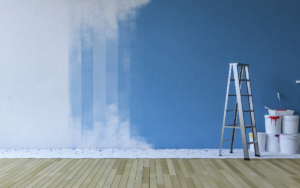
Painted surfaces commonly show defects such as peeling, blistering, cracking, fading, and uneven finish.
- Peeling: Loss of adhesion causes the paint film to detach. Scrape off loose paint, apply primer, and repaint.
- Blistering: Moisture, heat, or trapped air creates bubbles under the paint film. Allow proper drying and repaint in suitable weather conditions.
- Cracking: Low-quality paint or thick coats cause cracks. Remove loose paint, smooth the surface, apply primer, and repaint in thin layers.
- Fading: Caused by sunlight, poor-quality paint, or wrong paint selection. Use high UV-resistant paints and select the correct paint type.
5 Common Wall Painting Mistakes
Even small painting mistakes can ruin the appearance of the surface, resulting in uneven colours, visible marks, and poor durability. By understanding these mistakes, homeowners, DIY painters, and beginners can avoid costly repairs.
Mistake 1: Poor Surface Preparation
People incorrectly assume that paint can hide everything. Dust, dampness, cracks, or greasy surfaces severely reduce paint adhesion. When professionals are asked, “What is the most common reason for paint failure?” the answer is almost always the same: poor surface preparation.
Common Problems Caused by Poor Preparation
- Peeling: Dust, dampness, and weak adhesion cause the paint film to lift.
- Blistering: Moisture or heat creates bubbles beneath the painted surface.
- Flaking: Chalky, old paint loosens and flakes off.
- Cracking: Thick coats or an unprepared substrate cause the paint film to split.
- Efflorescence: A white, powdery, salt-like deposit appears on the surface.
Smart Ways to Avoid Poor Surface Preparation
- Clean the dust, grease, and dirt with a mild detergent, then let the wall dry completely.
- Use wall putty or filler to repair cracks and holes, then sand for a smooth finish.
- Remove loose, peeling paint with a scraper or wire brush, then smooth the edges by sanding.
- Use 180–220 grit sandpaper and wipe away sanding dust for better adhesion.
- Apply a suitable, good-quality primer to seal the surface and improve adhesion.
- Fix moisture issues such as damp patches, leakage, or efflorescence before painting.
- Use the right tools and follow proper steps, including correct scrapers, sandpapers, primers, and recommended drying times.
Mistake 2: Skipping Primer Application
People skip primer mainly to save cost and time, assuming it’s optional.
Common Problems Caused by Skipping Primer
- Colour variation
- Stains reappearing
- Poor paint coverage
- Weak paint adhesion
Why Primer Is Essential?
Primer is essential because it is used as:
- A sealer for porous surfaces
- An adhesion promoter
- A stain blocker
- A uniform base for topcoats
Smart Ways to Avoid Skipping Primer
- Understand why primer is essential? Because it seals, improves adhesion, and gives uniform colour.
- Select the right primer for your wall type.
- Make primer a mandatory step in your painting checklist.
- Apply primer after putty or filler work to achieve an even surface.
- Follow the manufacturer’s instructions, as many paints offer durability only with primer.
- Allow the primer to dry completely before applying the topcoat.
- Keep enough primer in stock to avoid skipping it midway.
Mistake 3: Choosing the Wrong Paint Type or Low-Quality Paint
Lack of product knowledge, ignoring application guidelines, or choosing the cheapest option often leads to buying the wrong or low-quality paint, resulting in defects and premature failure.
Problems Caused by Wrong or Poor-Quality Paint
- Fading or chalking on exterior walls
- Poor washability in high-traffic areas
- Colour mismatch on different sections
- Stains that cannot be removed
- Early deterioration of the paint film
Smart Ways to Avoid Wrong Paint Type or Poor-Quality Paint
- Identify the surface type (interior/exterior, metal, wood, etc.) and choose paint accordingly.
- Check the paint’s TDS for durability, coverage, and VOC levels.
- Choose branded paints instead of cheap alternatives.
- Select washable paints for kitchens/kids’ rooms and moisture-resistant paints for bathrooms.
- Ensure compatibility between primer, putty, filler, and paint.
- Check manufacturing and expiry dates to avoid defective products.
- Do a patch test or color sampling on wall to confirm colour accuracy and finish.
- Buy paint only from trusted, authorised dealers.
- Avoid mixing different brands to prevent adhesion and finish issues.
Mistake 4: Incorrect Application Techniques
Incorrect techniques include faulty roller use, over-thinning, using cheap tools, or painting in harsh weather.
Problems Caused by Incorrect Application Techniques
- Roller or brush marks
- Sagging or dripping
- Uneven overlaps
- Dull appearance
Smart Ways to Avoid Incorrect Application Techniques
- Read the manufacturer’s instructions for tools and recommended coats.
- Use good-quality rollers, brushes, or sprayers suitable for your paint type.
- Maintain a steady, uniform painting pattern to prevent streaks and lap marks.
- Apply thin, even coats to avoid sagging and dripping.
- Allow proper drying time between each coat for a smooth, durable finish.
- Avoid over-rolling or over-brushing to prevent patchy textures.
- Paint only in controlled temperature and humidity conditions.
Mistake 5: Skipping Drying Times by Trying to Finish the Paint Job Quickly
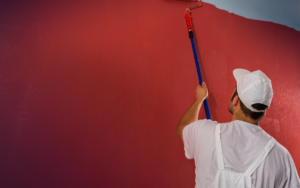
Rushing the painting process often results in
- Uneven finish
- Peeling or cracking
- Blistering
- Poor adhesion
- Thick coats instead of thin ones
- Dull patches
- Weak film formation
Smart Ways to Avoid Skipping Drying Times
- Follow the drying time mentioned on the paint can.
- Plan your painting schedule in advance to avoid rushing.
- Use fans, ventilation, or natural airflow to help paint dry evenly.
- Apply thin, even coats so the paint dries within the recommended time.
- Avoid painting in humid or cold weather, which slows drying.
- Allow every coat to dry completely to prevent peeling, soft patches, and uneven finish.
A Craft of Colour and Care
MRF Paints began with a steady purpose: to bring dependable colour into homes, workshops, and public spaces. Over time, the company shaped its craft around careful research, thoughtful design, and coatings made to endure everyday wear. Its range now supports interior walls, exterior surfaces, woodwork, and metal, each developed to give a clean finish and consistent performance. The work is guided by a simple belief that well-made paint should protect as well as enhance. Through this approach, MRF Paints continues to serve households and professionals who value reliability, clarity of choice, and long-lasting results.
Conclusion
Most paint failures are not due to the paint itself but because of avoidable mistakes made before, during, or after application. By understanding the 5 common wall painting mistakes, homeowners, DIY painters, and beginners can achieve long-lasting and desired results for their wall surfaces. Well, if you find this article valuable and insightful, share it with your kith and kin.
Frequently Asked Questions
1. Why does paint start peeling after a few months?
Peeling usually happens due to moisture issues, poor surface preparation, or skipping primer.
2. How do I prevent roller or brush marks on my walls?
Use good-quality tools, maintain a consistent painting pattern, and apply paint in thin, even coats to prevent roller or brush marks on walls.
3. Why does paint fade quickly on exterior walls?
Harsh sunlight, low-quality paint, or wrong paint selection are responsible for paint fade on exterior walls.